Research shows that glutathione levels are often at their highest after a full night of restful sleep
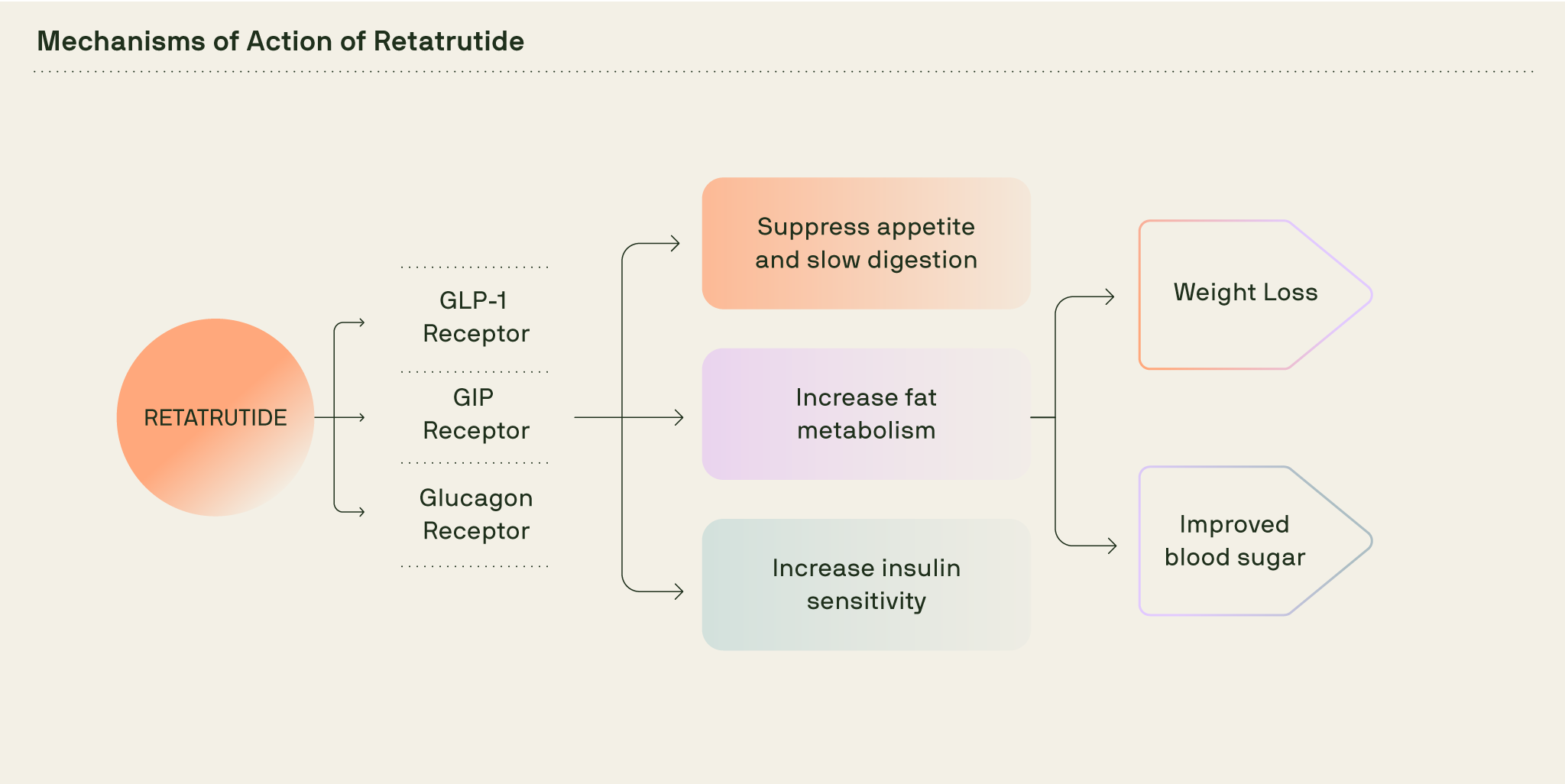
Rodriguez noted the following areas of continued research to Medical News Today : There is still so much to learn about this class of medication, including how it can help to treat other conditions, long-term clinical outcomes, barriers to equitable access, the effects of discontinuation, trends in reinitiation, which dose of each drug might be most effective (pharmacodynamics), and more. In fact, we continue to explore the trends in prescriptions and dispense in our quarterly GLP-1 monitoring report, which looks at these trends over time and might provide some insight into access and availability, she continued
Thus, conjugation appears key to improving GLP-1 and estradiol synergistic effects on weight
The kidney itself is a high-risk candidate for toxicities and drug interactions secondary to genetic polymorphisms due to the presence of numerous transporters and metabolizing enzymes in this eliminating organ (Figures 17B2 and 17B3)
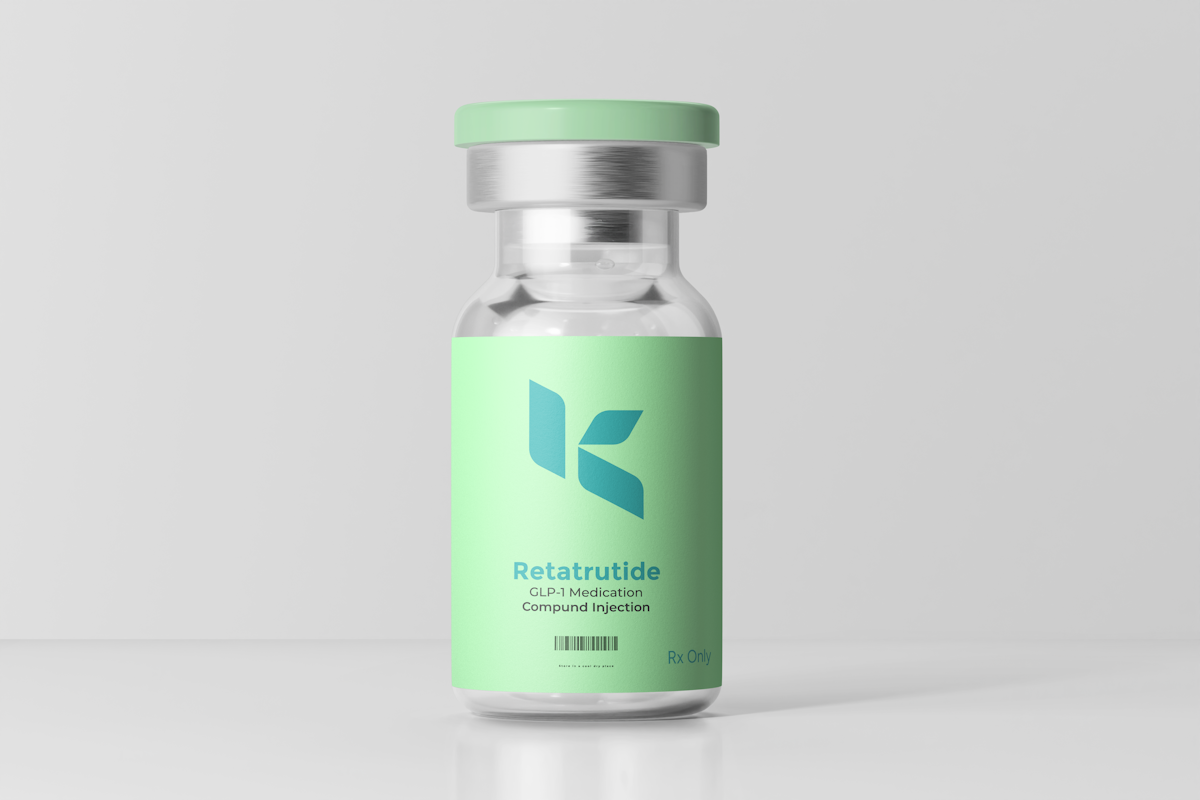
Concentration Calculation 1500mg mixed with 6ml bacteriostatic water provides a concentration of: 250mg/ml Syringe Conversion Guide Quick Reference 1ml = 250mg 0.5ml = 125mg 2ml = 500mg Experimental Research Ranges Lower Experimental Range Research Range 100150mg Frequency: 23 weekly Commonly Investigated In Antioxidant-support research Oxidative-stress regulation pathways Cellular-resilience investigations Example Volumes 100mg = 0.4ml (40 units) 150mg = 0.6ml (60 units) Intermediate Experimental Range Research Range 250mg Frequency: 23 weekly Commonly Investigated In Metabolic-support research Mitochondrial-signaling pathways Pigmentation-related investigations Cellular-maintenance research Example Volume 250mg = 1ml (100 insulin units) Higher-Range Experimental Research Research Range 500mg Frequency: Up to 23 weekly Research Context Considered a higher-range experimental protocol commonly investigated in more intensive antioxidant and oxidative-stress research settings